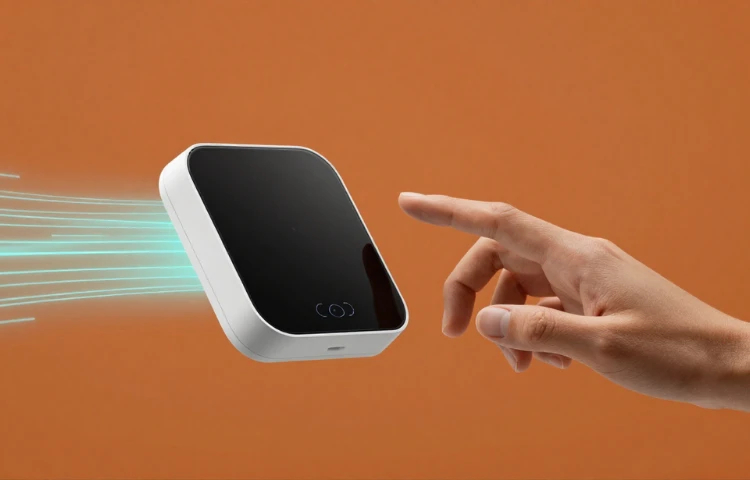
Artificial intelligence is no longer just software — it’s about to step into the physical world. In a major scoop that’s setting the tech industry abuzz, OpenAI is planning to debut its first-ever hardware device in the second half of 2026. This marks a pivotal evolution for the company behind ChatGPT and positions OpenAI at the forefront of AI‑powered consumer hardware.
OpenAI Hardware: A Strategic Leap Beyond Software
OpenAI has generated global recognition for its large language models and AI products — from ChatGPT to powerful APIs used in enterprise and consumer applications alike. But 2026 could be the year the company transitions into hardware as a core part of its portfolio.
According to an exclusive report, OpenAI’s policy chief Chris Lehane revealed at Axios House Davos that the company is “on track” to unveil its first physical device later this year. [Axios]
This is significant for several reasons:
- Diversification beyond software — OpenAI expands into physical products for the first time.
- Elevating AI integration — A device designed specifically around AI could offer deeper interaction capabilities than existing laptops and phones.
- Market disruption potential — A successful AI hardware launch could reshape expectations for future consumer devices.
What Could the Device Be? Early Insights & Rumors
At this stage, details remain shrouded in secrecy, but the tech community has already generated strong speculation:
- Voice‑first, screenless form factor: Several reports suggest the product may focus on conversational interaction rather than visual displays, potentially enabling hands‑free AI assistance. [Binance]
- Designed by top talent: OpenAI acquired Jony Ive’s design firm, io, in 2025 — bringing in expertise from Apple’s former chief designer, hinting at a premium, user‑centric product ethos. [Digital Trends]
- Possible wearable element: Rumors about internal codenames like “Sweetpea” suggest a compact, possibly behind‑the‑ear or wearable AI companion device.
While we lack official specs, expectations are high for a breakthrough in how consumers interact with AI on a daily basis.
Why 2026 is Critical for AI Adoption Trends
OpenAI’s device is launching at a moment when AI hardware innovation is gaining momentum. Yet past attempts like Humane’s AI Pin have struggled to capture mass market appeal, suggesting that success won’t be automatic.
Still, OpenAI carries key advantages:
- Robust AI foundation: Its language models (e.g., GPT‑5 and successors) power some of the industry’s most advanced AI experiences.
- Strategic ecosystem: Partnerships with manufacturing and supply chain leaders (for example, reported talks with Foxconn) could accelerate time to market. [Kucoin]
- Design leadership: Leveraging design talent from Apple gives OpenAI a potential edge in crafting compelling hardware user experiences.
What This Means for Consumers and Tech Markets
A consumer AI device from OpenAI could have wide‑ranging implications:
1. Reimagined Human‑AI Interaction
Instead of relying solely on screens, users could interact with AI naturally — through voice and environmental context — making AI tools more accessible.
2. New Competition in Hardware
Like the way the iPhone redefined smartphones, an AI‑centric device could shift the focus of hardware innovation toward ambient, assistant‑driven computing.
3. Broader Ecosystem Growth
Tech companies are already exploring AI hardware integration:
- Apple rumored to innovate on AI wearables
- Google and Meta pushing AI‑enhanced XR (extended reality) devices
- Samsung and others testing conversational AI features in consumer products
These developments hint at a future where AI hardware becomes as ubiquitous as mobile phones.
Final Take: A New Chapter in Human‑Machine Interaction
OpenAI’s upcoming 2026 device launch isn’t just product news — it symbolizes the next frontier of computing. By combining cutting‑edge AI with innovative hardware design, OpenAI could usher in an era where AI serves as a constant, context‑aware companion in everyday life.
For enthusiasts, developers, and industry watchers alike, this development is one to follow closely. The device may not just introduce new technology — it might redefine how technology interacts with you.